Why I Stopped Chasing Low-Hanging Fruit in Street Photography
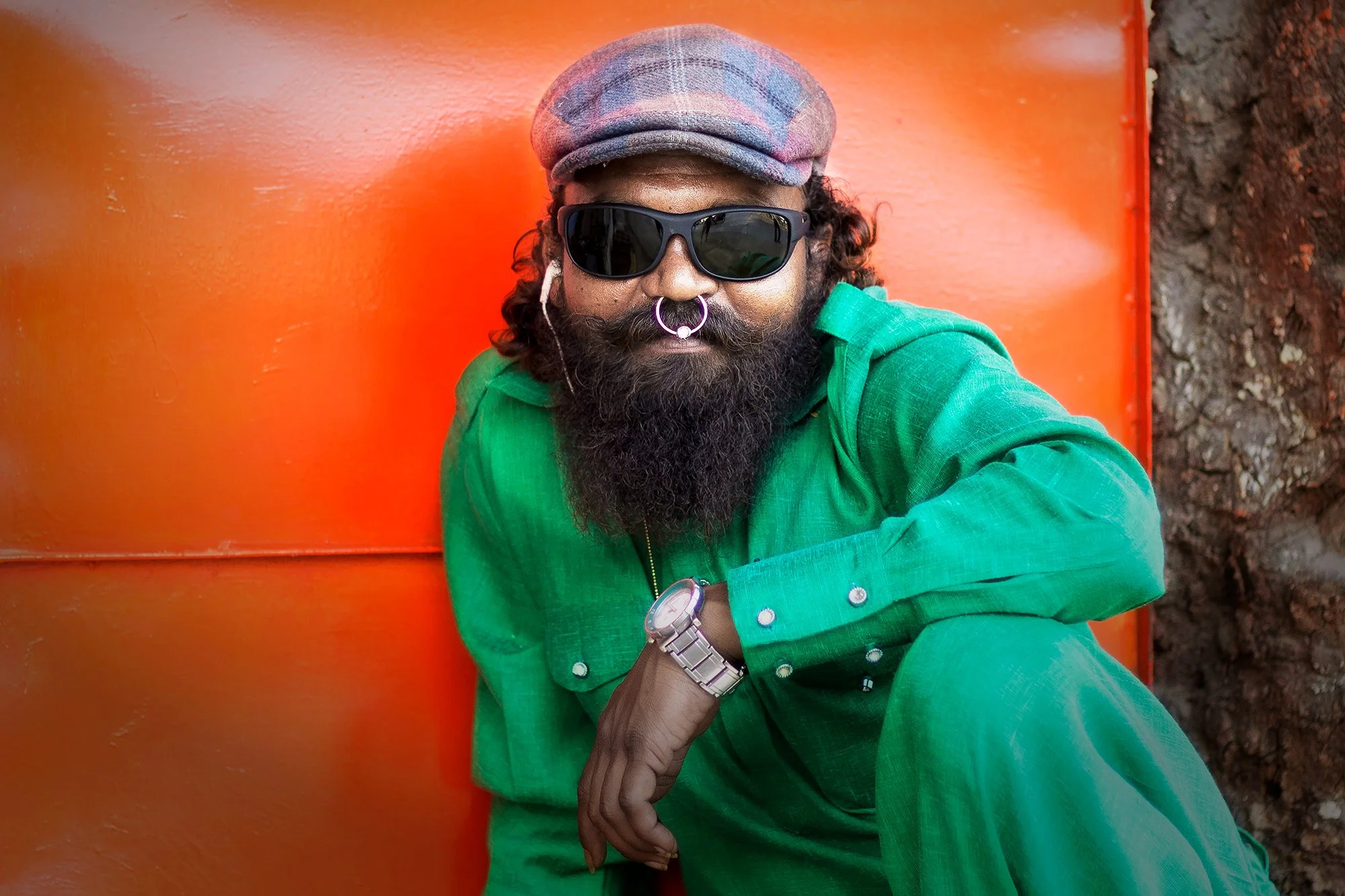
Mumbai, 2017.
If you’ve been shooting street for a while, you already know what I mean by low-hanging fruit. It’s the easy stuff. The shots that take no real thought, no effort, just lift the camera and fire. You’ve seen them a million times. The guy with the wild beard. Someone asleep in public. A person walking past a wall with peeling paint or some eye-catching sign.
These are the first instincts of every street shooter. Most of us grow out of it, not because we’re smarter, but because we get tired of filling up drives with garbage. These photos usually have two things going for them. A pop of color. An unusual texture. Maybe some quirky wardrobe. That’s where it ends.
They don’t hold tension. They’re lacking narrative. They don’t grab you. They just exist. You see them, scroll past, and forget them before your thumb lifts off the screen.
We already shoot enough bad photos chasing the good ones. Why the hell are we still making it worse on purpose?
If you’ve just started shooting street photography, let me save you some time and advise that you omit the low-hanging fruit from your photography now to avoid the inevitable: more of your time wasted in the recycle bin.
Instead, let us focus on the fruit worth picking.
What to Look for Instead of the Obvious (And Why It Matters)
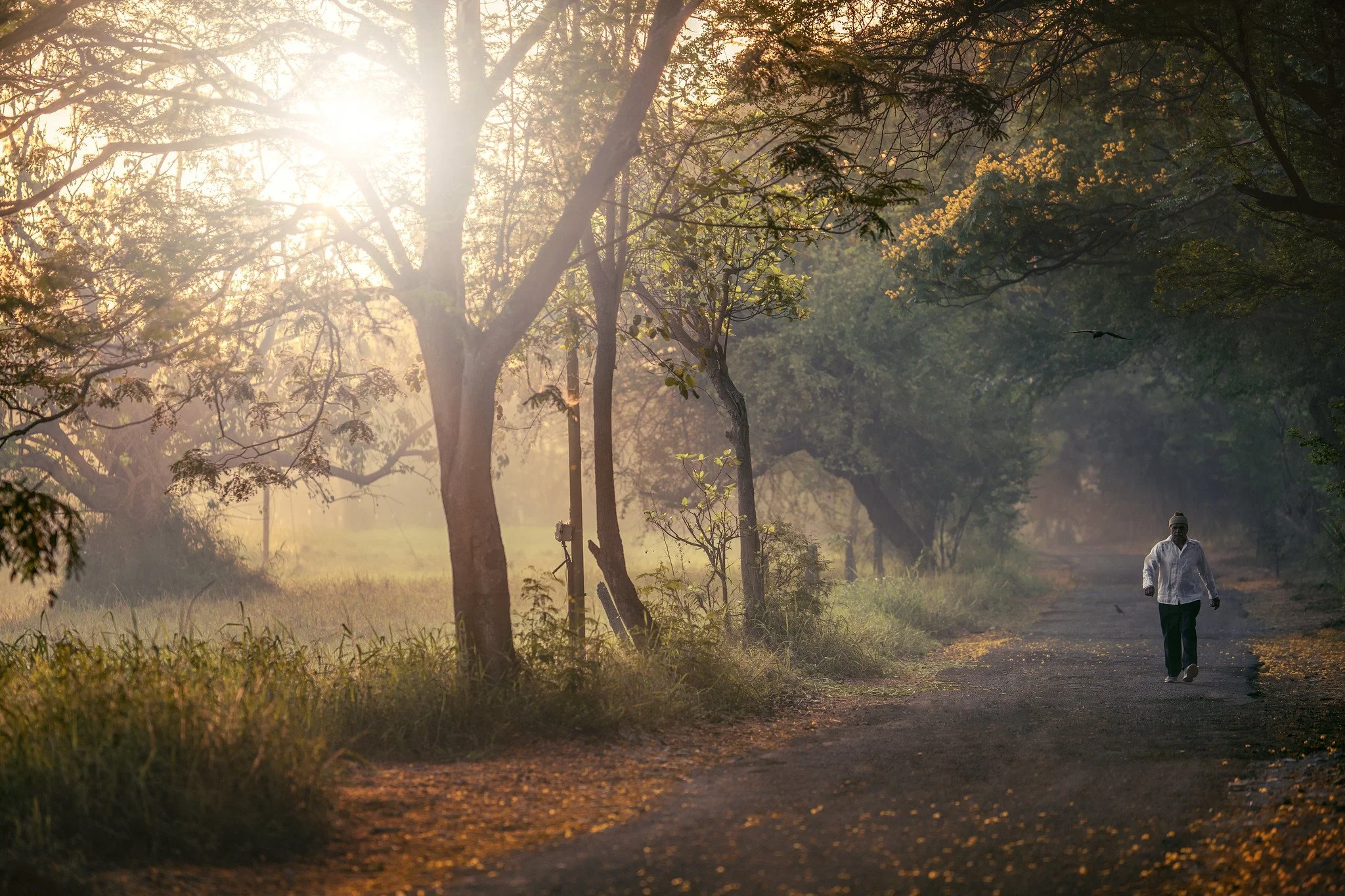
Mumbai, 2020.
So you’re ready to stop shooting boring people in front of textured walls. Good. Now what?
Here’s the shift: make it a practice to capture three interesting elements in a single frame. Two is where most lazy shots die. Three is where tension starts. Three is where something happens. This isn’t a hard rule. It’s a gut check.
Below are elements to look for, wait for, or chase down. These don’t guarantee a good photo, but they give your images a fighting chance.
1. Light
Let’s start with the one everyone says they care about but rarely uses well. Light isn’t just a technical factor; it’s a vital element in any genre of photography. Harsh shadows, low golden light, backlighting, directional slivers through windows or tarps… these can pull a flat image out of the gutter.
Most forget about light because they’re too damn focused on the subject. Flip that. Let light lead the way.
2. Motion
A subject mid-stride is not motion. That’s just existing. Look for real movement: someone sprinting, spinning, reaching, reacting. Motion creates blur, imbalance, drama. Let the frame feel alive.
Bonus: layer stillness against movement for contrast. That’s where energy lives.
3. Reflections
Mirrors. Windows. Puddles. Car doors. Sunglasses. Anything that doubles your frame or splits your subject adds dimensionality. A good reflection gives you multiple visual planes and can completely rewire how the viewer sees the scene.
Use them to hide, to frame, or to add disorientation.
4. Gesture
This one’s huge. A hand in mid-air. A finger point. A cigarette between lips. A kid mid-laugh. These tiny expressions are what separate a photo of a person from a moment in their life. You don’t need an expressive face if the body is already saying it all.
5. Leading Lines
Lines exist to pull the eye. Alleys, fences, shadows, railings, even limbs. Use them to aim the viewer’s attention where you want it. They don’t need to be perfect—they just need to guide.
Don’t overthink the geometry. Just spot the flow.
6. Frame Within a Frame
Doors. Archways. Fences. Holes in tarps. This isn’t about gimmicks, it’s about focus. A subject inside a frame creates instant tension. It says, Look here, without yelling.
Great for isolation, intimacy, or just giving structure to chaos.
7. Environmental Texture
Smoke. Dust. Steam. Fire. Fog. Water. All of these give your photo atmosphere. They’re unpredictable, which is why most people avoid them. But when they show up, and you’re ready, you’ve got a photo people will stare at longer than two seconds.
Pro move: Use texture to partially obscure your subject. Let the viewer do some work.
8. Juxtaposition
This is a big one. Rich and poor. Young and old. Traditional and modern. Use contrast to say something without spelling it out. You don’t have to force it. Just notice it. My home in Mumbai is full of it. I usually don’t have to search very long to find it.
Don’t use this as a checklist. Use it as ammo. The more of these elements you start noticing, the faster you’ll move past low-effort crap and toward photos that actually stick.
Stop Shooting the Obvious and Start Seeing
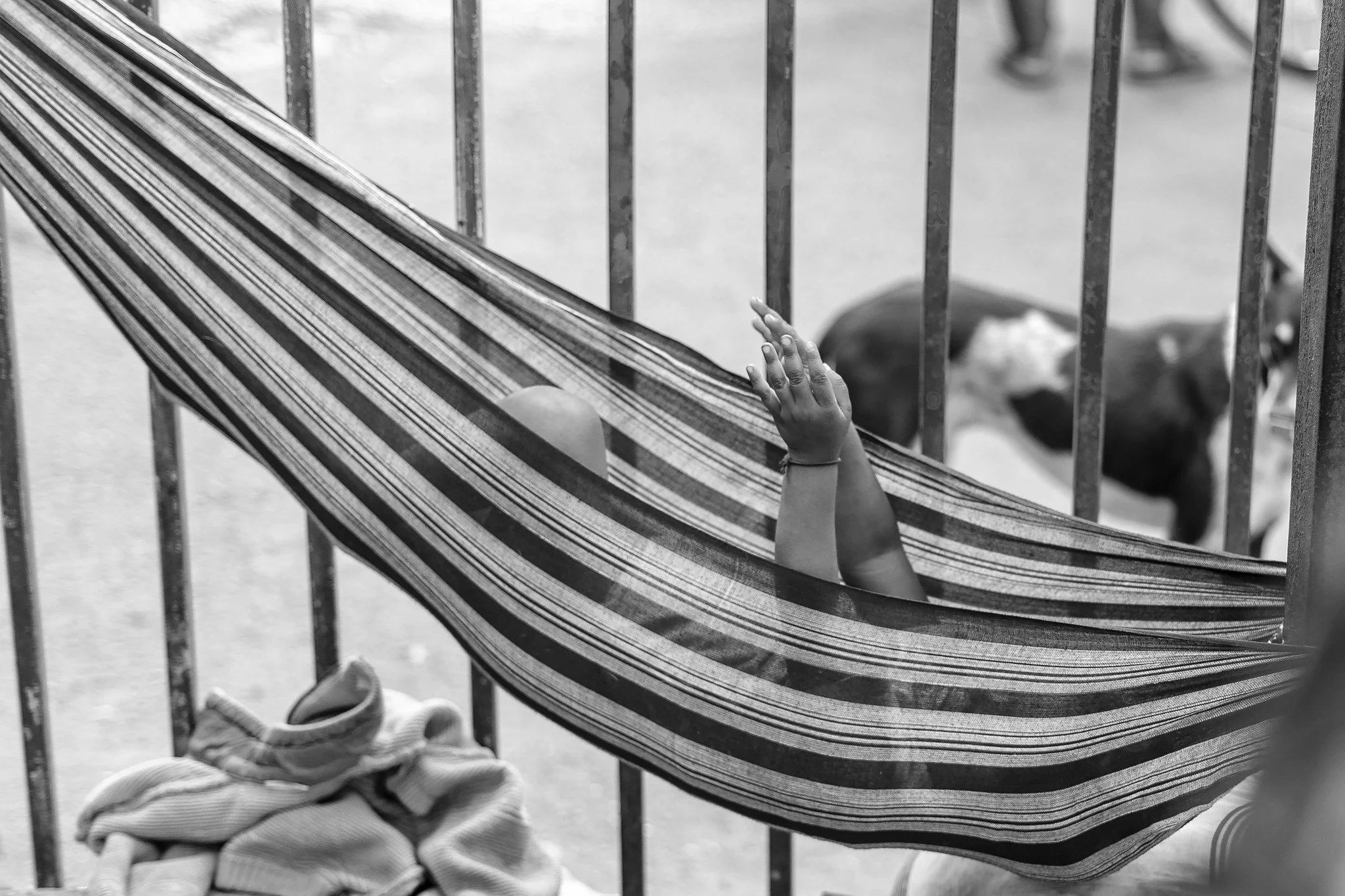
Mumbai, 2019.
This isn’t about technique. This is about attention. Most street photographers are reacting to what’s loud, colorful, or weird. That’s not seeing. That’s scanning.
Real seeing means slowing down. It means looking past the first thing that catches your eye and waiting for the frame to fill itself. You’re not hunting chaos; you’re waiting for order to rise from it.
Anyone can take a photo of something “interesting.” It takes patience, instinct, and a ruthless eye to make something compelling. That’s the difference. That’s where the work lives.
Start asking more from your frame. And start seeing what you’ve been walking past this whole time.
Check Out My Mumbai Street Photography Workshops
Double-click to edit...