Double-click to edit...
As I write this, my Instagram account is sitting in digital purgatory, somewhere between active and permanently deleted. Instagram gives you 30 days to reconsider your decision before pulling the plug for good. It's a generous little grace period, presumably designed to give you enough time to panic about everything you're leaving behind.
But this time, I'm letting it die.
After years of contemplating whether to abandon the platform, I've finally decided to let my account slip into the digital graveyard where, sooner or later, all our social media profiles will probably end up. And strangely enough, I'm not anticipating much regret.
Now, why would an artist whose primary medium is photography deliberately shoot himself in the foot by abandoning a platform supposedly designed to connect creative people with a wider audience? Isn't Instagram practically a necessity for photographers these days?
That's certainly what we've been led to believe.
But after years of posting photographs, promoting workshops, chasing visibility, and watching the platform evolve into something increasingly removed from what attracted me to it in the first place, I've reached a different conclusion.
Instagram has become more of a burden than a benefit.
And while there wasn't one dramatic incident that pushed me over the edge, there were plenty of smaller frustrations that accumulated over time. Taken together, they amounted to a pretty convincing case for walking away.
Here's why.
Not Much New Business
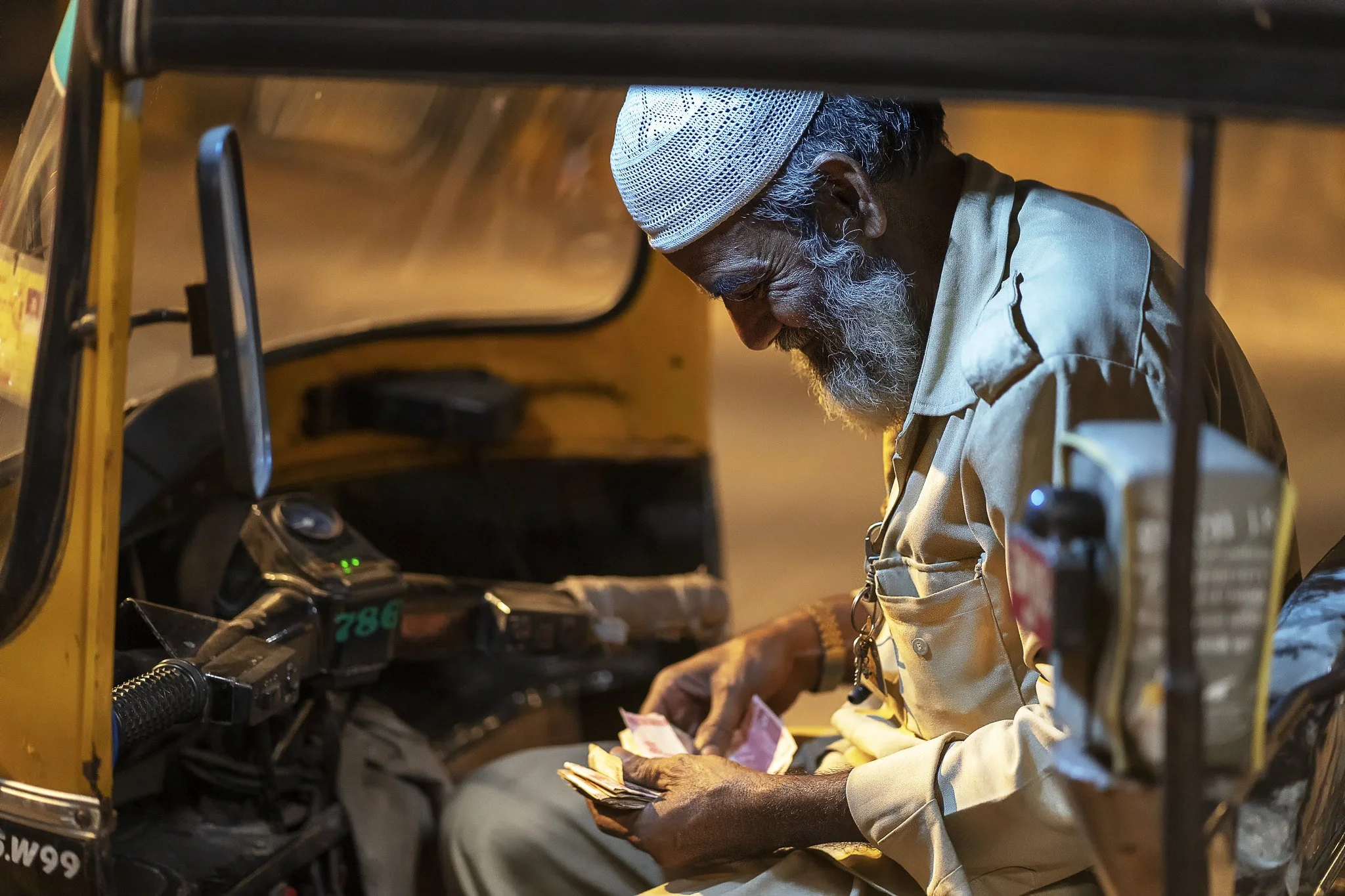
I can count on one hand, with fingers to spare, the number of actual bookings Instagram generated for my photography workshops in Mumbai. If I had to put a number on it, I'd say a grand total of two.
Two fucking bookings.
On paper, I suppose that's better than nothing. After all, any platform that brings in a little extra cash must be worth maintaining, right? Well, not necessarily. There's a considerable difference between generating revenue and making something worth your time, especially when you start accounting for all the hours spent creating posts, uploading photographs, writing captions, and trying to remain visible to an audience that may never become paying customers.
And apparently, the economics of being a creator aren't particularly encouraging these days.
According to CreatorIQ's State of Creators 2026 report, which surveyed more than 5,000 creators worldwide, 67 percent earned less than $10,000 annually from content creation. For 62 percent of respondents, creating content wasn't even their primary source of income.
Of course, I'm not an influencer looking for sponsorship deals. I'm an artist trying to sell my work, attract clients, and fill photography workshops. But the larger issue is much the same. Having an audience doesn't necessarily mean having a business.
And reaching that audience is becoming increasingly difficult.
Metricool's 2026 Social Media Study found that average Instagram post reach declined by 31 percent between 2024 and 2025, while Reels reach dropped by 35 percent. In other words, even as creators continued producing content, getting that content in front of people became considerably harder.
That's a pretty lousy proposition for anyone trying to make a living from their creative work.
I spent years sharing photographs, promoting workshops, and maintaining a presence on Instagram under the assumption that visibility would eventually translate into business. Occasionally, it did. But two bookings hardly constitute a compelling return on the time and effort involved.
And here's the thing. I'm not suggesting Instagram can't generate business for photographers or other artists. Obviously, it can. I'm simply questioning whether the return justifies the investment, particularly for those of us who would rather spend our time making art than figuring out how to please an algorithm.
For me, the numbers weren't adding up. And when I started considering the other costs of maintaining an Instagram presence, those two bookings became even less convincing.
Instagram: The Ultimate Time Sink
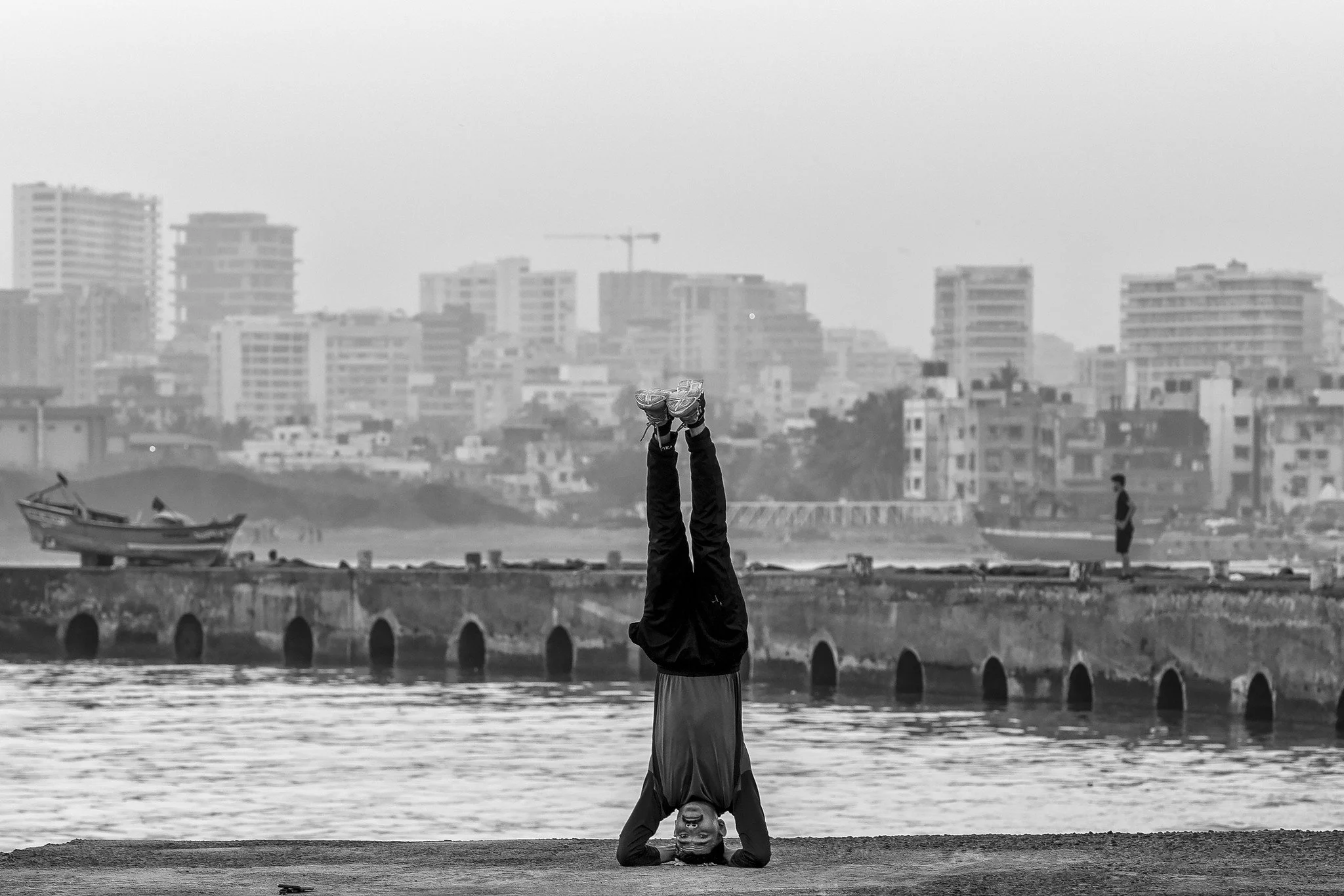
At some point, I have to admit I'm a regular human like anyone else, just as susceptible to Instagram Reels and those little dopamine hits that keep us scrolling. Looking back at my screen-time statistics, I discovered that I was spending an average of two to three hours a day on this fucking app. That's absolutely bonkers when you start adding up the hours over an entire year.
Two to three hours a day translates to somewhere between 730 and 1,095 hours annually. That's roughly 30 to 46 full days of my life every year spent staring at Instagram. Think about that for a moment. An entire month or more of my life, every single year, disappearing into an endless stream of videos, photographs, advertisements, and whatever else the algorithm decided I needed to see.
And what exactly was I getting in return?
Apparently, I'm far from alone.
A 2024 study titled Uses, Perceptions and Impacts of Instagram: A Study with Young Higher Education Students, conducted by researchers in Portugal, examined Instagram habits among 89 university students. Of those surveyed, 34 reported spending three hours or more on Instagram every day. That's nearly 40 percent of the participants dedicating a substantial chunk of their waking lives to a single social media platform.
Perhaps more revealing was why they were using it. Nearly 78 percent agreed that Instagram was a way to occupy their free time. The researchers also found that many participants regularly turned to social media simply to pass the time, relax, or escape boredom.
None of this surprises me. Instagram has become the digital equivalent of reaching for a cigarette whenever there's a lull in the day. Waiting for something? Open Instagram. Bored for thirty seconds? Open Instagram. Sitting on the toilet? Well, you get the idea.
And that's the real problem. Instagram makes wasting time so effortless that you barely notice you're doing it. What begins as a harmless five-minute distraction can easily turn into an hour of mindless scrolling. Worse still, much of what you've consumed is so utterly forgettable that you couldn't recall it even if you tried.
As an artist, this realization was particularly irritating. I was spending more time consuming other people's creativity than exercising my own. Hours that could have been spent photographing, experimenting, writing, or simply observing the world around me were being swallowed by an app that offered very little in return.
Sure, I discovered some interesting artists and occasionally found inspiration on Instagram. I'm not going to pretend the platform was entirely worthless. But when I weighed those occasional benefits against the sheer amount of time I was sacrificing, the exchange started looking pretty fucking ridiculous.
30-46 days per year.
That's not a minor distraction. That's a serious chunk of my life, and I decided I wanted it back.
Instagram Forces You to Make Reels to Have Any Shot at Being Relevant

I'll put it out there that I'm not a video guy. It's not that I don't shoot videos or have aspirations to explore the medium. It's just that I'm an artist whose primary medium is photography. That's my raison d'être. And the idea that I should have to produce short-form video content just to have a reasonable shot at appearing on strangers' feeds seems absolutely insane.
Instagram started as a platform for sharing photographs. Now, photographers are increasingly expected to become video producers, entertainers, and amateur marketing specialists just to remain visible. Apparently, creating compelling photographs isn't enough anymore. You also need to package your work into something the algorithm considers entertaining.
And there's research to back up this frustration.
According to Metricool's 2026 Instagram Study, which analyzed more than 24 million posts across 375,000 accounts, Reels generated more than four times the interactions of single-image posts. Meanwhile, the reach of traditional single-image posts declined by nearly 22 percent year over year.
Research from Buffer's 2026 State of Social Media Engagement report tells a similar story about visibility. Its analysis found that Reels achieved 125 percent more reach than single-image posts, although that particular comparison used data collected between 2022 and 2024.
That's a pretty significant disadvantage for photographers who simply want to share their photographs.
Interestingly, the same research found that traditional photographs and carousels can generate stronger engagement rates than Reels among the people who actually see them. In other words, audiences are still perfectly capable of appreciating photography. The problem is getting the work in front of them in the first place.
And that's what irritates me most.
Why should I have to turn a photograph into a video, slap some trending music over it, and add a few pointless transitions just to increase the likelihood that someone might actually see my work? Why should the presentation of my photography be dictated by whatever content format Instagram happens to favor this year?
Let's be clear. I'm not suggesting that video is an inferior artistic medium. Far from it. But there's a considerable difference between creating a video because you have something meaningful to communicate and creating one because an algorithm has effectively made it a marketing requirement.
I have absolutely no interest in spending my days manufacturing 15-second distractions for an audience conditioned to swipe away the moment something fails to deliver immediate gratification.
And before anyone suggests that I should simply adapt to the changing landscape, perhaps that's precisely the problem. At what point did being a photographer become less about producing worthwhile photographs and more about mastering the latest tricks for attracting attention?
Instagram is perfectly entitled to evolve into whatever entertainment platform it wants to become. But I'm equally entitled to decide that its priorities no longer align with mine.
At the risk of sounding like an anti-Instagram crusader, this reeks of not-my-goddamned-problem.
When Photography Becomes Disposable Content
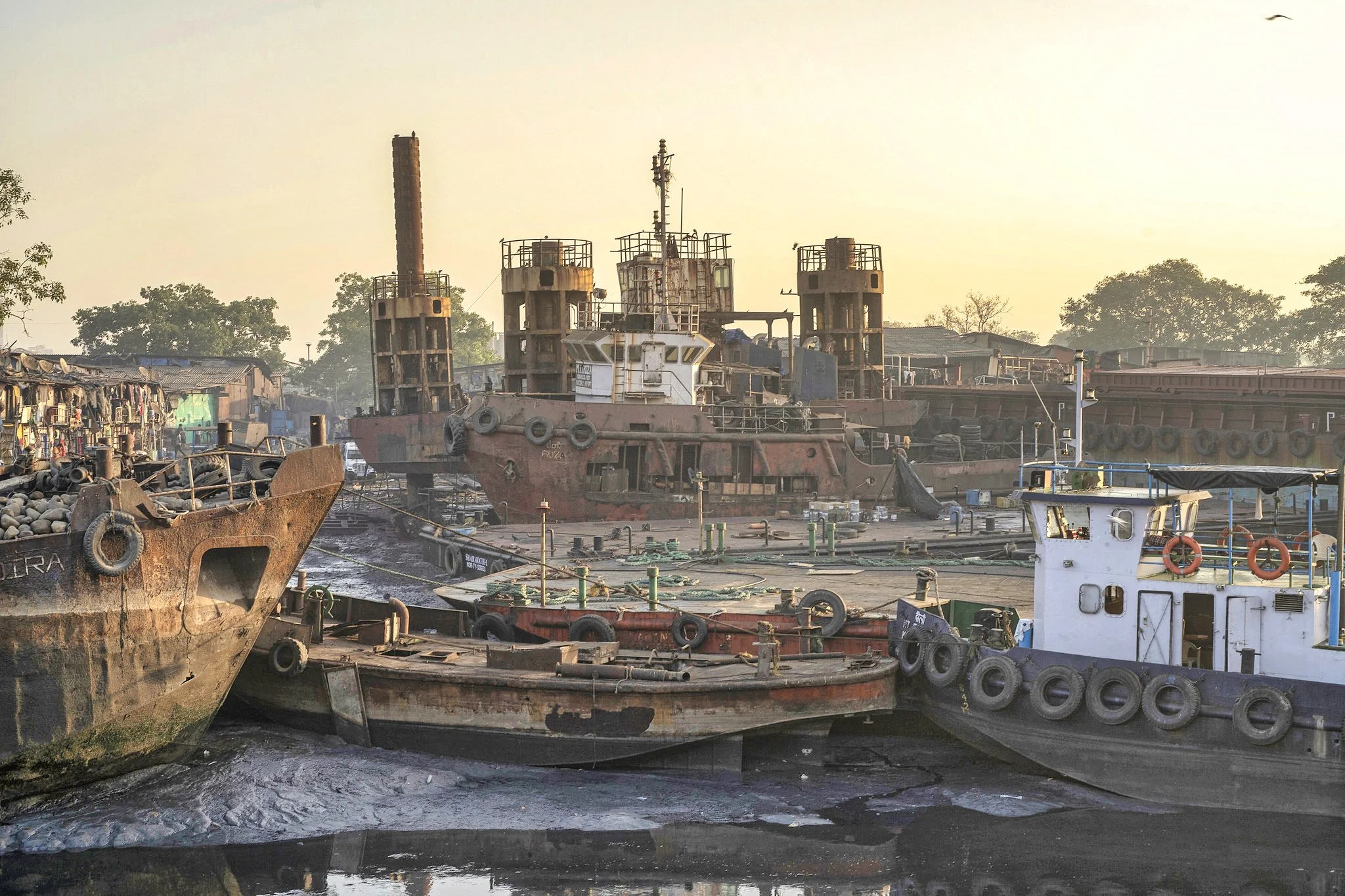
One of the things that increasingly bothers me about Instagram is how photography has been reduced to just another piece of disposable content. Something to glance at for a second or two before flicking your thumb upward and moving on to the next distraction.
Think about what goes into creating a photograph. Depending on the work, a photographer might spend days developing an idea, hours finding the right subject or location, and considerably more time editing and refining the final image. For some of us, the process involves years of developing a particular style or visual language.
And then we upload the finished photograph to Instagram, where it competes for attention with dancing cats, vacation selfies, sponsored advertisements, and whatever other nonsense the algorithm decides to serve up.
It's a pretty absurd environment in which to present serious artistic work.
Of course, photography has always competed for people's attention. I'm not suggesting that every photograph deserves prolonged contemplation or that viewers have some obligation to appreciate the effort behind it. But there's something fundamentally depressing about a platform that encourages us to consume images as quickly as possible, regardless of their content or artistic intentions.
A photograph isn't necessarily meant to reveal everything in the first second. Some images require a little patience. Their meaning might emerge through composition, subtle details, ambiguity, or the relationship between elements within the frame. Sometimes the most interesting photographs are the ones that don't immediately explain themselves.
Instagram doesn't exactly encourage that kind of viewing experience.
And then there's the matter of presentation. A photograph that might look extraordinary as a large print hanging on a gallery wall becomes a tiny rectangle on a smartphone screen. The textures, tonal subtleties, and finer details that contribute to the work can easily disappear. For photographers working with complex compositions or more abstract imagery, that's hardly an ideal way to experience the finished piece.
But perhaps the more troubling consequence is what this environment might be doing to photographers themselves.
When you're constantly exposed to engagement statistics, it's tempting to start thinking about what will perform well rather than what you genuinely want to create. You begin noticing which photographs attract attention and which ones disappear without a trace. Before long, there's a risk of allowing those numbers to influence your artistic decisions, even if only subconsciously.
And that's a dangerous road for any artist.
I'm not interested in producing photographs that are designed primarily to stop someone from scrolling for three seconds. I'm interested in making work that reflects my own ideas, interests, and creative instincts, regardless of whether it happens to satisfy the tastes of an algorithm or an audience looking for instant gratification.
None of this means Instagram is incapable of showcasing meaningful photography. I've discovered some extraordinary work there over the years, and plenty of talented photographers continue to use the platform successfully. But discovering worthwhile art occasionally doesn't change the fact that the platform is fundamentally designed around keeping people consuming content.
And that's where I draw the line.
I don't want my photography to become just another disposable distraction in somebody's feed. Nor do I want to start treating my own work that way simply because a social media platform has conditioned us to measure its value in likes, shares, and fleeting moments of attention.
Photography deserves better than that. And frankly, so do photographers.
Your Followers Aren't Really Your Audience
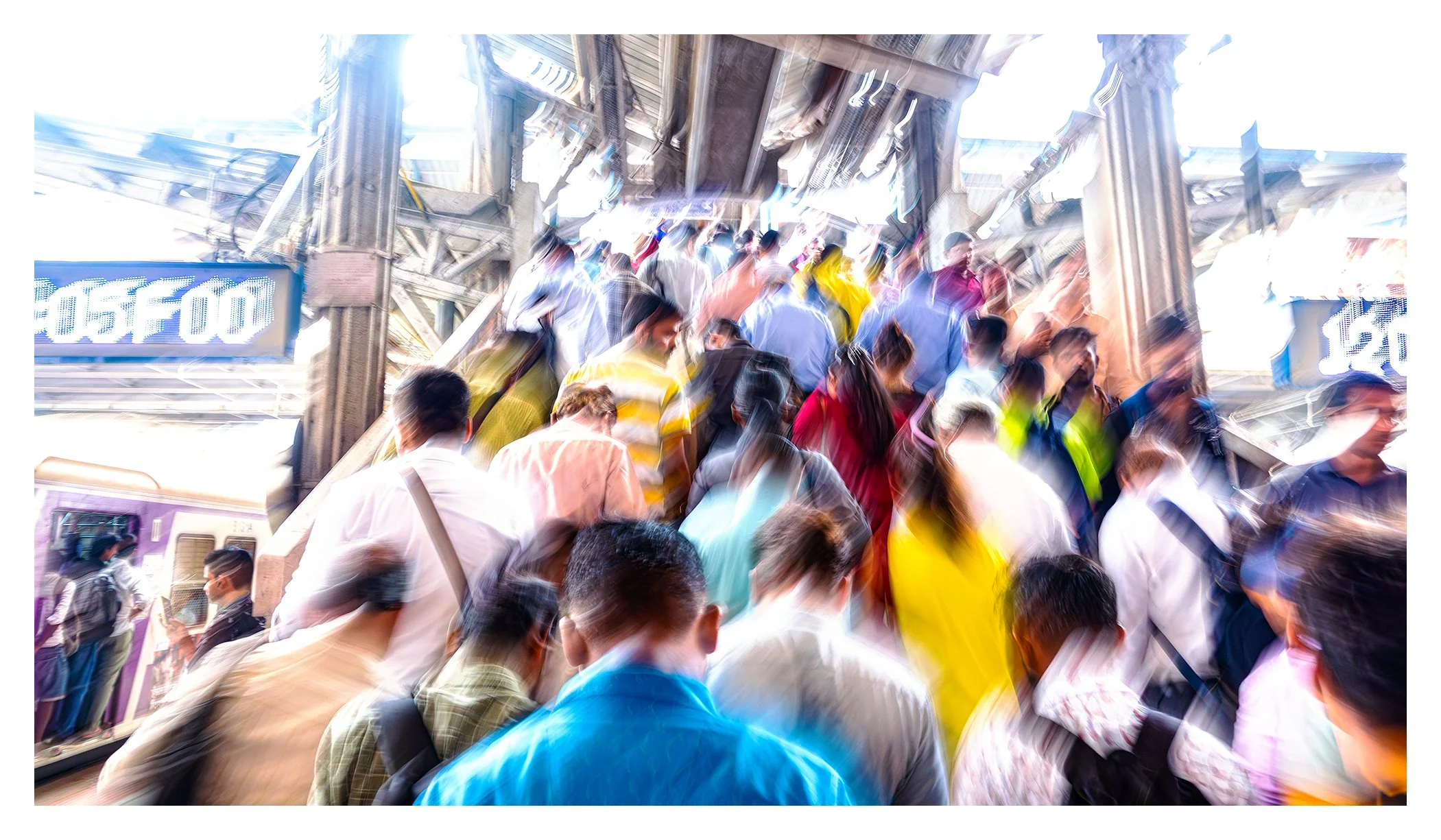
One of the biggest illusions Instagram sells us is that we're building an audience. We accumulate followers, watch the numbers climb, and convince ourselves that we're establishing something valuable. After all, having thousands of people following your work must mean you're doing something right.
But what exactly do those numbers represent?
For photographers and other artists, there's an enormous difference between someone who casually follows your Instagram account and someone who genuinely appreciates your work. A person might follow you because they liked a photograph you posted three years ago, because you followed them first, or simply because they happened to stumble across your profile while killing time.
None of that necessarily translates into meaningful interest in your art, much less someone willing to purchase a print, attend a workshop, or hire you for a project.
And here's where things get particularly ridiculous. Even after spending years accumulating followers, there's no guarantee that those people will actually see what you post.
Instagram controls the distribution of your work. Its algorithms determine which photographs appear in people's feeds, how frequently they're shown, and whether they're recommended to anyone beyond your existing followers. You might have thousands of people who voluntarily clicked that follow button, yet your latest photograph could reach only a fraction of them.
So what exactly have you built?
Certainly not an audience you have much control over.
That's something I increasingly struggled to reconcile. I was investing time and energy into developing a following on a platform where the rules could change overnight. Instagram could alter its algorithms, prioritize another content format, or introduce new features that further reduced my visibility. And there wasn't a damned thing I could do about it.
Imagine spending years building a mailing list, only to discover that someone else gets to decide which subscribers receive your emails. That's essentially the arrangement we've accepted with social media.
Of course, there's nothing inherently wrong with having Instagram followers. Some of those connections can develop into genuine professional relationships, friendships, and opportunities. I've certainly benefited from meeting interesting photographers and artists through the platform.
But I've also come to realize that follower counts can create a misleading sense of professional accomplishment. Ten thousand followers might look impressive on a profile, but I'd argue that a hundred genuinely interested people who regularly visit your website, engage with your work, or support your artistic endeavors are considerably more valuable.
For me, this raises a larger question about where artists should be investing their efforts.
Wouldn't it make more sense to direct people toward something we actually control? Our own websites, mailing lists, exhibitions, and professional relationships aren't entirely immune to outside influences, but at least they provide a more direct connection with the people interested in what we do.
And unlike Instagram, my website doesn't require me to dance for an algorithm every time I want someone to see a new photograph.
I spent years thinking I was building an audience. Looking back, I suspect I was mostly helping Instagram build its own.
There's a big difference between having followers and having people who actually give a damn about your work.
And I'd much rather concentrate on the latter.
Whatever Happened to Seeing the People I Follow?
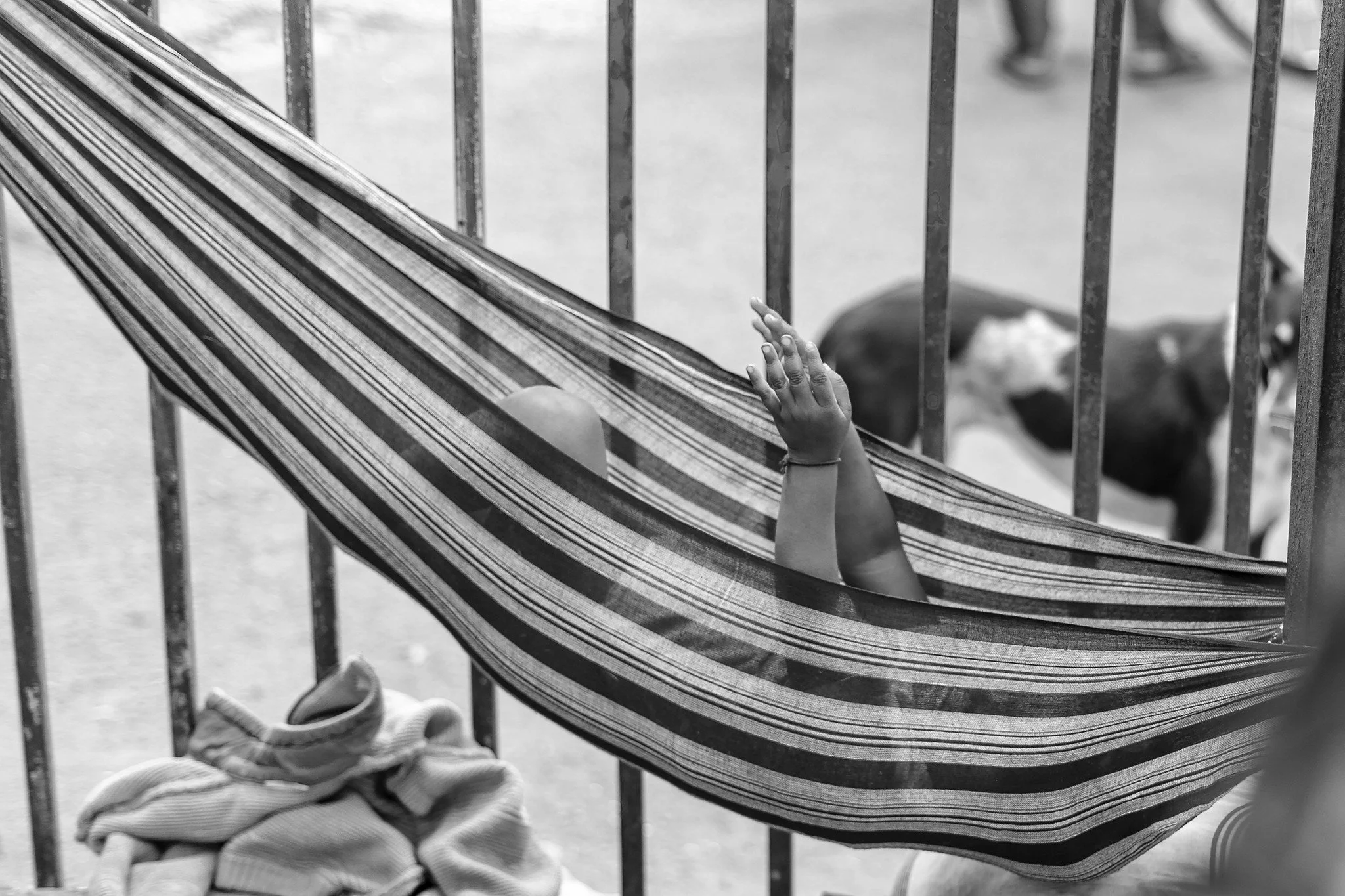
Remember when Instagram was primarily about seeing photographs and updates from people you actually followed? You'd open the app, scroll through a relatively straightforward feed, catch up on what your friends and favorite photographers were doing, and eventually reach the end of it.
Those were simpler times.
These days, opening Instagram feels more like walking into a shopping mall where every storefront is competing for your attention. Sponsored posts, suggested accounts, advertisements, and an endless parade of Reels dominate the experience. Somewhere in that mess are the people I actually chose to follow, assuming Instagram decides their content is worthy of appearing in my feed.
And that's what I find particularly irritating. I deliberately followed certain photographers, artists, friends, and colleagues because I was interested in what they had to share. I didn't sign up to have Instagram constantly introduce me to strangers whose content happens to satisfy whatever engagement criteria its algorithms are currently prioritizing.
Yet that's increasingly what the platform has become.
Of course, Instagram would argue that personalized recommendations help users discover new content and creators. And to be fair, I've occasionally discovered some genuinely interesting work through those recommendations. But there's a difference between helping people discover something worthwhile and relentlessly pushing content designed to keep them glued to their screens.
The latter seems to have become Instagram's primary occupation.
There's also something rather insulting about the assumption that an algorithm knows my interests better than I do. If I wanted to follow another photographer, I'd follow them. If I wanted to watch endless videos of people performing ridiculous stunts, I'd seek those out myself. I don't need a platform constantly second-guessing my preferences and rearranging my viewing experience around its commercial interests.
And let's not forget the advertising.
I understand that Instagram is a business and that advertising pays the bills. I'm not naive enough to expect a free platform to operate without generating revenue. But there's a point where the balance between providing a useful service and monetizing every available moment of someone's attention becomes increasingly difficult to tolerate.
For me, Instagram crossed that line some time ago.
What makes this particularly frustrating is that the platform still offers ways to view content from accounts you follow. But the fact that users must deliberately navigate away from the default algorithmic feed to see something resembling the Instagram experience they originally signed up for says plenty about the company's priorities.
The platform hasn't simply evolved. Its fundamental purpose has shifted from connecting people through shared photographs and interests to maximizing the amount of content we consume.
And while that might be wonderful for Instagram's business model, I'm struggling to see why it should be particularly wonderful for mine.
At some point, I realized I was spending more time navigating around content I didn't want to see than enjoying the work of people I actually cared about following.
When a platform makes it increasingly difficult to see the very people you signed up to follow, perhaps it's time to question why you're still there.
Building Something That Actually Belongs to Me
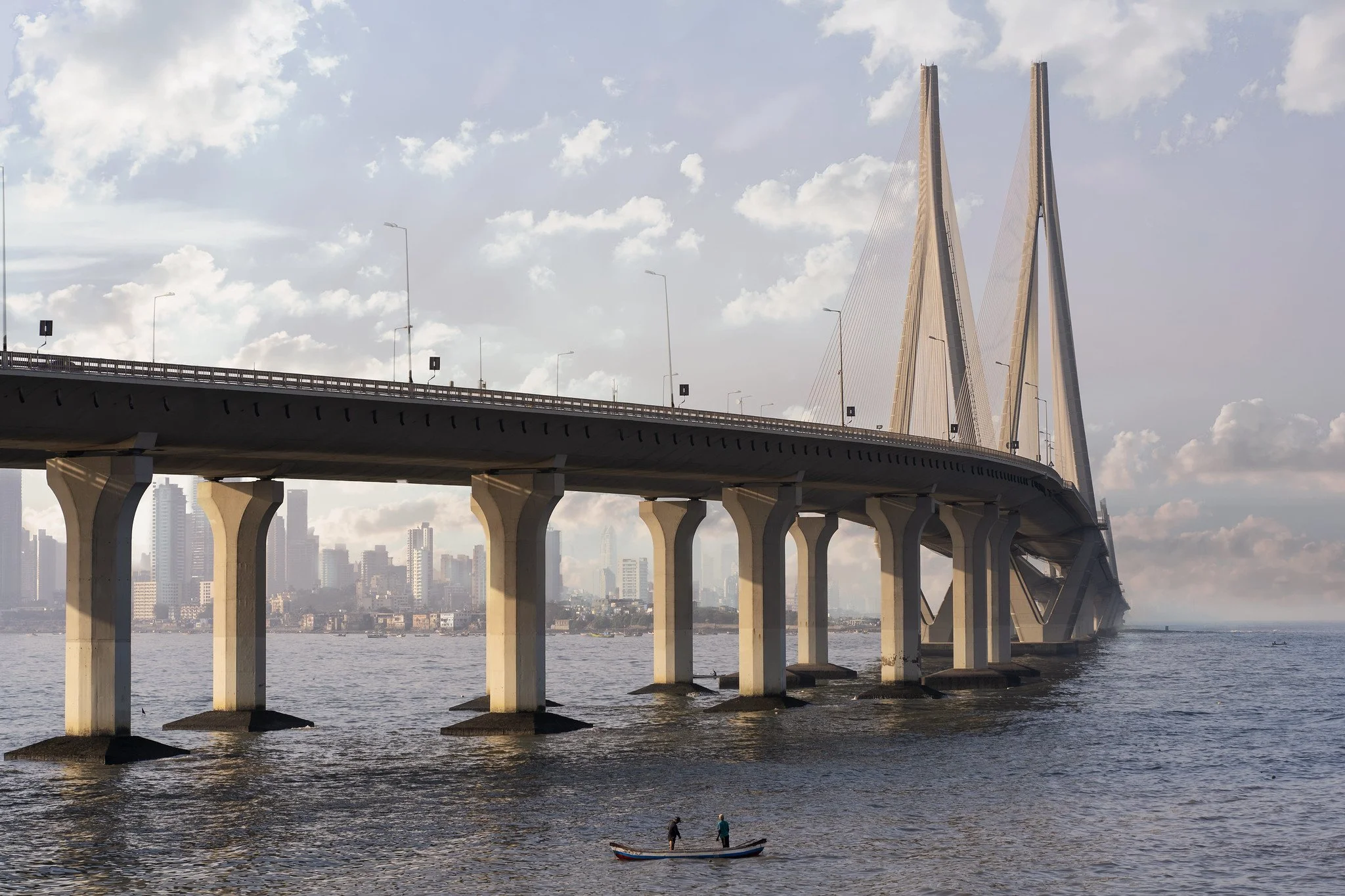
After spending years feeding Instagram with photographs, stories, and promotional content, I've started asking myself a fairly obvious question. Why the hell am I investing so much time building someone else's platform when I already have one of my own?
I have a website. I have a blog. I have photography projects, workshops, and a body of work that exists independently of whatever Instagram decides is fashionable this week. Yet somewhere along the way, like so many other artists, I fell into the trap of treating social media as an essential part of maintaining a professional presence.
And for what?
The irony is that photographers spend considerable time and money developing their portfolios, refining their artistic identities, and building professional websites, only to direct much of their energy toward platforms where they have almost no control over how their work is presented or distributed.
It's a strange arrangement when you think about it.
On my own website, I decide how my photographs are displayed, how projects are organized, and what I want to communicate about my work. I'm not competing with dancing influencers, sponsored advertisements, or the latest viral nonsense for someone's attention. Visitors are there because they've made a conscious decision to explore what I have to offer.
That distinction matters to me.
Of course, having a website doesn't magically solve the problem of attracting an audience. Search engines have their own algorithms, and getting people to discover your work still requires effort. I'm under no illusion that abandoning Instagram will suddenly send thousands of visitors rushing to Dark Bias or my photography portfolio.
But at least the effort I invest in my own platforms contributes to something I control.
Writing articles, developing photography projects, improving my website, and building relationships with people who genuinely appreciate my work all seem like more worthwhile investments than trying to manufacture engagement on Instagram.
There's also something appealing about returning to a more deliberate approach to promoting my photography. Rather than constantly reminding people that I exist through an endless stream of posts and stories, I'd prefer to concentrate on producing work worth seeking out in the first place.
That might mean publishing more thoughtful articles, approaching galleries and collectors directly, developing new workshops, or simply spending more time behind the camera. None of those activities guarantees success, but they certainly feel more closely aligned with why I became an artist.
And perhaps that's the larger realization behind my decision to leave Instagram.
I don't need to be constantly visible to be professionally relevant.
Somewhere along the way, social media convinced us that maintaining an uninterrupted online presence was practically a prerequisite for creative success. If you're not posting, you're disappearing. If you're not engaging, you're falling behind. If you're not adapting to the latest algorithmic preferences, you're somehow failing to take your career seriously.
Frankly, I'm tired of that bullshit.
I'd rather be judged by the photographs I produce, the projects I complete, and the relationships I develop than by how successfully I can compete for attention on a platform whose priorities have increasingly little to do with my own.
Will walking away from Instagram cost me some opportunities? Possibly. I'm not going to pretend otherwise. But maintaining an account simply because I'm afraid of what might happen if I leave doesn't strike me as a particularly compelling reason to stay.
Besides, deleting Instagram doesn't mean I'm disappearing from the internet. My work is still out there, and anyone genuinely interested in following what I do can find me without having to navigate an algorithmically curated obstacle course.
I'd rather spend my time building something that belongs to me than continue contributing to something that increasingly feels like it doesn't.
Goodbye, Instagram!
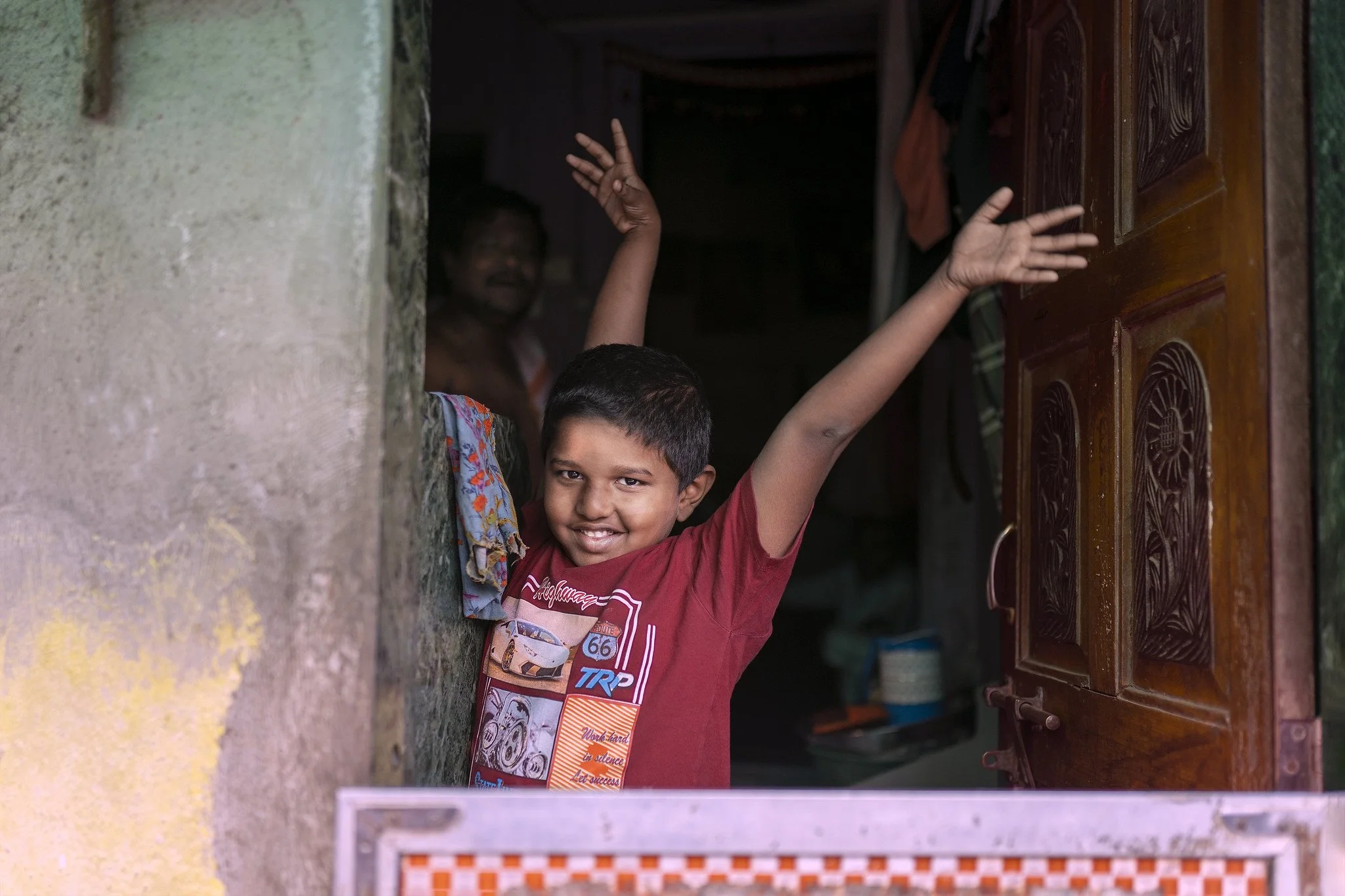
After all these years, deleting Instagram feels less like giving something up and more like getting something back.
I'm not under the illusion that my decision represents some grand act of rebellion against social media. Instagram will continue doing what Instagram does, and millions of photographers will continue posting their work, chasing engagement, and finding varying degrees of success on the platform. Some will undoubtedly benefit from it, and good for them.
But I've reached a point where the benefits simply don't justify the costs.
Two workshop bookings, countless hours of scrolling, declining organic reach, and the growing expectation that I should become a short-form video producer just to remain visible. Add to that the increasingly disposable nature of photography on the platform, and I have to wonder why I spent so many years convincing myself that maintaining an Instagram presence was essential to my career.
Perhaps the most revealing part of this entire experience is how difficult it was to make the decision in the first place.
For years, I contemplated deleting my account, only to talk myself out of it because of some vague fear that I'd be missing opportunities. What if a potential client couldn't find me? What if a gallery wanted to see my Instagram profile? What if I disappeared from the radar of people who might otherwise have discovered my work?
That's a remarkable amount of anxiety to attach to a fucking phone app.
And yet, I suspect plenty of artists feel exactly the same way. We've become so accustomed to measuring our professional visibility through social media that the idea of stepping away can feel almost irresponsible.
But being visible and being successful are two very different things.
I'd rather spend the next several years making photographs, developing projects, writing, and pursuing opportunities that genuinely interest me than continue sacrificing my time to a platform that increasingly feels like a second job with lousy compensation.
Will I miss certain aspects of Instagram? Probably. There are photographers whose work I enjoyed following, interesting people I encountered, and occasional discoveries that made the platform worthwhile. I'm not going to rewrite history and pretend the entire experience was miserable.
But those positives no longer outweigh everything else.
And perhaps I'll discover that leaving Instagram was a terrible professional decision. If that happens, I'll deal with it. At least I'll know that I made the choice deliberately rather than continuing to participate out of habit or fear.
For now, my account is still sitting somewhere in Instagram's 30-day deletion purgatory, waiting for me to change my mind.
I'm not going to.
The photographs will continue. The projects will continue. The workshops will continue.
The scrolling won't.
And that sounds like a pretty good trade to me.